Medical Spa and Aesthetic Practice Credentialing: Regulatory Requirements
Understand credentialing requirements for medical spas and aesthetic practices, including physician supervision, state regulations, and liability considerations.
Medical Spa and Aesthetic Practice Credentialing: Regulatory Requirements
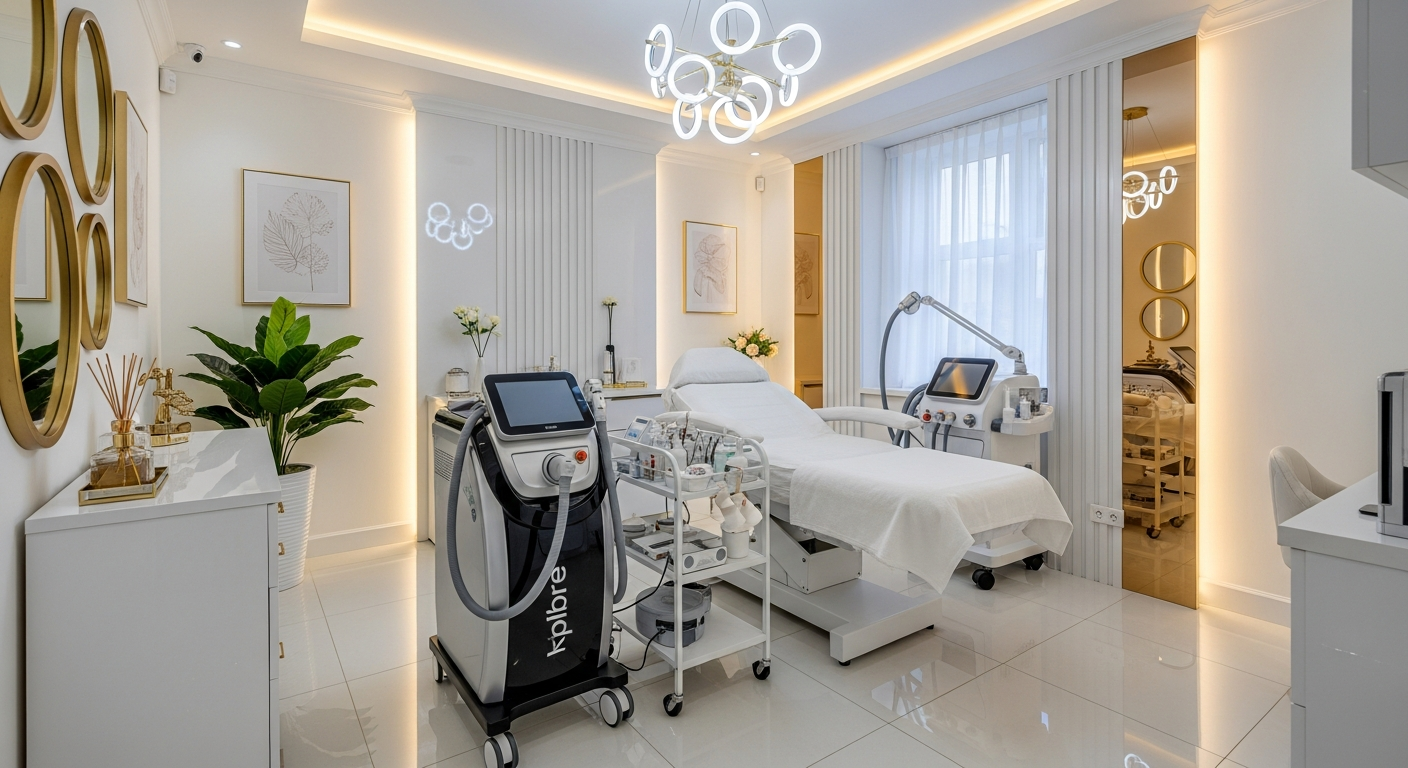
The medical aesthetics industry continues to grow as patients seek non-surgical cosmetic treatments. Medical spas combine clinical expertise with spa-like environments, but they operate under strict medical regulations requiring proper physician credentialing and oversight.
Defining Medical Spa Practice
Medical spas offer treatments including injectable neuromodulators and dermal fillers, laser treatments and intense pulsed light therapy, chemical peels and medical-grade skincare, body contouring and fat reduction procedures, and hormone and regenerative therapies.
These treatments require physician involvement, though the level varies by state and procedure type.
Physician Credentialing Requirements
Medical Director Qualifications
Every medical spa requires a licensed physician medical director. Qualifications include active, unrestricted state medical license, relevant specialty training or experience, understanding of aesthetic procedures offered, and availability for appropriate supervision.
Specialty Considerations
While various specialties can practice aesthetic medicine, common backgrounds include dermatology with skin expertise, plastic surgery training, family medicine with additional aesthetic training, and emergency medicine physicians transitioning to aesthetics.
Training and Certification
Beyond basic medical credentials, aesthetic practitioners should have procedure-specific training, manufacturer certifications for devices and products, and ongoing education in aesthetic techniques.
State Regulatory Variations
Medical spa regulations vary significantly by state, affecting physician supervision requirements for mid-level providers, delegation of specific procedures, facility licensing requirements, and advertising restrictions.
High-Regulation States
States like California and Florida have stringent medical spa regulations requiring direct physician supervision for many procedures and specific facility licenses.
Moderate-Regulation States
Other states allow greater delegation to nurse practitioners and physician assistants with collaborative agreements and proper training documentation.
Liability and Insurance
Malpractice Coverage
Medical spa physicians need malpractice policies covering aesthetic procedures, which may require specialty endorsements or specific policy types.
Product Liability
Practices should ensure coverage for complications from injectables, devices, and products, maintaining documentation of proper product sourcing and storage.
Staff Credentialing
Medical spas often employ mid-level providers and aestheticians who need appropriate credentials including nursing licenses for RNs and NPs, aesthetician licenses for non-medical treatments, laser technician certifications, and training documentation for specific procedures.
Compliance Framework
Documentation Standards
Proper documentation includes informed consent forms, before and after photographs, treatment records, and product lot numbers and expiration tracking.
Quality Assurance
Establish protocols for adverse event reporting, outcome tracking, patient satisfaction measurement, and regular competency assessments.
Building a Compliant Practice
Successful medical spa credentialing involves understanding state-specific requirements, maintaining appropriate physician oversight, ensuring proper staff credentials, and implementing comprehensive compliance systems.
Professional credentialing services help medical spas navigate complex regulatory landscapes, maintain proper documentation, and ensure all providers meet requirements for safe, legal aesthetic practice.
Tags

About the Author
Elizabeth Huggins
Practice Management & Credentialing Expert
With 30 years of experience, I excel in all aspects of practice management, covering front desk operations, clinical procedures, practice administration, accounting, and revenue cycle management (RCM).
Connect on LinkedInRelated Articles

General Surgery Credentialing: Requirements for General Surgeons and Surgical Privilege Delineation
General surgery credentialing covers ABS certification, laparoscopic and robotic surgery privileges, trauma credentialing, colorectal and hepatobiliary privileges, and payer enrollment for surgeons.
Read More →
Sports Medicine Credentialing: Requirements for Sports Medicine Physicians and Team Physicians
Sports medicine credentialing covers CAQ certification, musculoskeletal ultrasound privileges, PRP therapy, team physician considerations, and payer enrollment for sports medicine specialists.
Read More →
Hospice and Palliative Care Credentialing: Requirements for Palliative Medicine Specialists
Hospice and palliative care credentialing covers ABHPM certification, hospice medical director requirements, DEA registration for opioid management, and Medicare enrollment for serious illness specialists.
Read More →